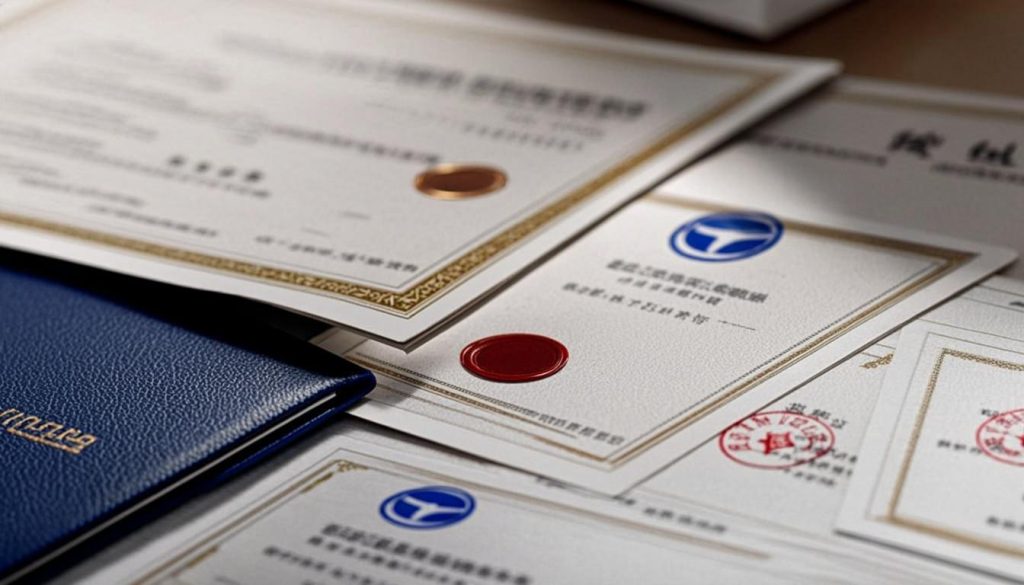
Official Home Office Translation

Certified translations for official use

Certified Translations for Home Office and UKVI Applications

Order professionally prepared English translations of personal, legal, academic and financial documents for official UK submissions.

  • Certified English translations
  • Digital and printed copies
  • Multiple languages supported
Certified English translation beside an original birth certificate
Have documents ready? Upload clear scans or photographs to begin.
A clear answer

When do you need a Home Office certified translation?

A full certified translation is normally required when a document submitted with a Home Office or UKVI application is not written in English or Welsh.

The translation should allow the receiving authority to understand the document, review all relevant information and independently identify and contact the person or company responsible for the translation.

Requirements can differ between application routes. Check the instructions for your particular application before submitting the original document and its translation.

Why choose this service

Certified translations for Home Office and UKVI documents

A straightforward online process, professionally prepared certification and clear delivery options for official document submissions.

01

Prepared for official use

Translations include the identifying and certification details normally expected for formal UK submissions.

02

Direct online ordering

Begin online and send clear copies of the documents requiring translation through the dedicated order route.

03

Flexible delivery

Receive a certified PDF by email, with a printed hard copy available when required for the intended submission.

04

Many languages supported

Request translations from a wide range of European, Asian, Middle Eastern and other languages into English.

Original Arabic birth certificate beside its certified English translation
What the service includes

What your certified translation includes

The translated document is prepared as a complete English version of the visible original and supplied with certification details that allow the translation provider to be identified and contacted.

  • A complete translation of the visible document content.
  • A written statement confirming that the translation is accurate.
  • The translator’s or authorised official’s name and signature.
  • The date on which the translation was certified.
  • Contact details for the translator or translation provider.
  • References to visible stamps, seals and signatures where appropriate.
  • Formatting that reflects the original document structure where practical.
Digital or printed delivery: a certified PDF can normally be delivered by email. A printed copy with original certification can also be arranged when the application or authority requires physical paperwork.
Submission requirements

Home Office certified translation requirements

Requirements can vary between applications, but official guidance expects the translation to be complete, accurate and capable of independent verification.

  1. Complete translation

    All relevant text in the source document should be translated rather than summarised or selectively reproduced.

  2. Accuracy statement

    The certification should confirm in writing that the result is an accurate translation of the original document.

  3. Date of translation

    The certification should clearly state the date on which the translation was completed or certified.

  4. Name and signature

    It should include the full name and signature of the translator or authorised company official.

  5. Contact details

    The translator or translation company should be contactable so that the certification can be independently checked.

Documents covered

Official documents commonly translated

Certified translations are available for personal, academic, financial and legal records used in immigration and other formal processes.

Selection of personal, academic, financial and legal documents for certified translation
  • Birth certificates

    For visa, nationality, family and identity-related applications.

  • Marriage certificates

    For spouse, partner, family and official registration processes.

  • Divorce certificates

    For family, marriage, legal and immigration submissions.

  • Passports and ID documents

    For identity evidence and supporting official applications.

  • Diplomas and transcripts

    For study, employment and qualification-verification purposes.

  • Bank and financial records

    For applications requiring translated financial evidence.

  • Court and legal documents

    For legal proceedings and other formal administrative use.

  • Other supporting documents

    Send the file for review when its particular category is not listed.

Certification formats

Choose the correct translation format

A standard certified translation is suitable for many UK submissions. Other authorities or overseas procedures may request additional certification or legalisation.

Common UK format

Certified translation

A complete translation supplied with a signed certification statement confirming accuracy and identifying the translation provider.

Country-specific

Sworn translation

Used in legal systems where a translation must be completed by a court-sworn or officially authorised translator.

Extra verification

Notarised translation

Used when a notary public must witness or authenticate the translator’s signature or identity.

For use abroad

Apostilled translation

Used when a document or associated certification must be legalised for use in another country.

Online submission

Digital certified copy

A professionally prepared certified PDF delivered by email for applications that accept digital documents.

Postal submission

Hard-copy certification

A printed certified translation with original certification for procedures that require physical paperwork.

How the process works

Order your translation in four clear steps

Send readable files and your submission details so the document can be translated, checked and delivered in the appropriate format.

Four-step certified translation process from document upload to delivery
  1. Start your order

    Open the online order route and provide the main details of the documents requiring translation.

  2. Upload clear files

    Send clear scans or high-quality photographs showing every relevant part of each page.

  3. Translation and checking

    The content is translated, formatted and checked for names, dates, numbers and other important details.

  4. Receive your certified copy

    Receive the completed translation by email, with a printed copy available when required.

Before uploading

What to send with your order

Clear source files reduce avoidable questions and help the translator reproduce the information accurately.

  1. A clear scan or photograph of every page requiring translation.
  2. The front and back of any document containing relevant information.
  3. Files without glare, cropped edges, shadows or covered text.
  4. Your required language direction, normally from the original language into English.
  5. The intended receiving authority or type of application.
  6. Any deadline or specific certification instructions you have received.
  7. The preferred spelling of names when an established English version already exists.

Original documents are usually not required for preparation. In most cases, clear scans or high-quality photographs are sufficient. The receiving authority may still require you to retain or submit the original separately.

Common submission purposes

When clients use certified translations

The service supports official processes in which foreign-language records must be reviewed in English.

01

Visa and immigration applications

Civil, financial, identity and supporting evidence for Home Office or UKVI submissions.

02

Spouse and family applications

Birth, marriage, divorce and related records used to establish relationships or personal status.

03

Study and academic applications

Diplomas, transcripts, school records and educational evidence required by institutions or assessors.

04

Legal and court proceedings

Court papers, affidavits, orders and other legal documents required in English.

05

Employment and professional checks

Qualifications, certificates and supporting records used for employment or professional verification.

06

Official registrations

Personal documents required for marriage, family, administrative and other formal registration procedures.

Questions clients often ask

Home Office translation FAQs

Practical answers about certification requirements, source documents, ordering and delivery.

What is a Home Office certified translation?

It is a complete English translation of a document supplied with written certification confirming its accuracy. The certification identifies the translator or translation provider and includes the relevant date, signature and contact details.

What does “Home Office approved translation” mean?

Applicants commonly use this phrase to describe a certified translation prepared in line with the document requirements for a Home Office or UKVI application. Translation providers are not able to approve applications or guarantee their outcome. Final acceptance remains with the authority reviewing the submission.

What must a UKVI certified translation include?

It should normally include a complete translation, confirmation that the translation is accurate, the translation date, the full name and signature of the translator or authorised official, and contact details for the translator or translation company.

Do I need to send the original document?

In most cases, a clear scan or high-quality photograph is sufficient for preparing the translation. The authority receiving your application may still require you to retain or submit the original document separately.

Which documents can be translated?

Common documents include birth certificates, marriage certificates, divorce certificates, passports, identity records, diplomas, transcripts, bank statements, court documents and other official paperwork.

Can I order several documents together?

Yes. Several documents can be included in the same request. Sending related files together also makes it easier to check repeated names, dates and other details consistently.

How long does a certified translation take?

Turnaround depends on the language, document length, formatting and complexity. The appropriate delivery timeline can be confirmed after the files and requirements have been reviewed.

Will I receive a digital or printed translation?

A certified PDF can normally be delivered by email. A printed hard copy can also be arranged when the application or receiving authority requires physical paperwork.

Do I need notarisation or an apostille?

A standard certified translation is sufficient for many UK submissions. Notarisation or apostille legalisation may be needed when another authority or an overseas procedure requests additional authentication.

Are certified translations guaranteed to be accepted?

No translation provider can determine the outcome of an application. The translation can be prepared according to the stated document requirements, but final acceptance remains with the authority reviewing the submission.

Ready to continue?

Order your Home Office certified translation

Upload your documents, provide the details of the intended submission and begin your certified translation order online.

Include every page requiring translation and mention any deadline, printed-copy requirement or specific certification instructions you have received.

Official documents organised and ready for certified translation